Cloud Native Tools Dominating Enterprise in 2026
Cloud native is no longer a buzzword — it's the enterprise backbone of 2026. From AI-powered CI/CD pipelines to Kubernetes orchestration and next-gen observability stacks, here's what's actually moving the needle for enterprise teams this year.
Cloud native has officially grown up. What started as a developer-friendly approach to building scalable apps has become the core operating model for enterprise software in 2026. AI workloads, tighter security demands, and the relentless pressure to ship faster have forced the ecosystem to evolve — and fast. According to analysts at CloudNativeNow, AI agents are now primary consumers of cloud native services, pushing platforms to rethink everything from usage metering to identity management. If you're running enterprise infrastructure and haven't audited your cloud native stack recently, you're already behind.
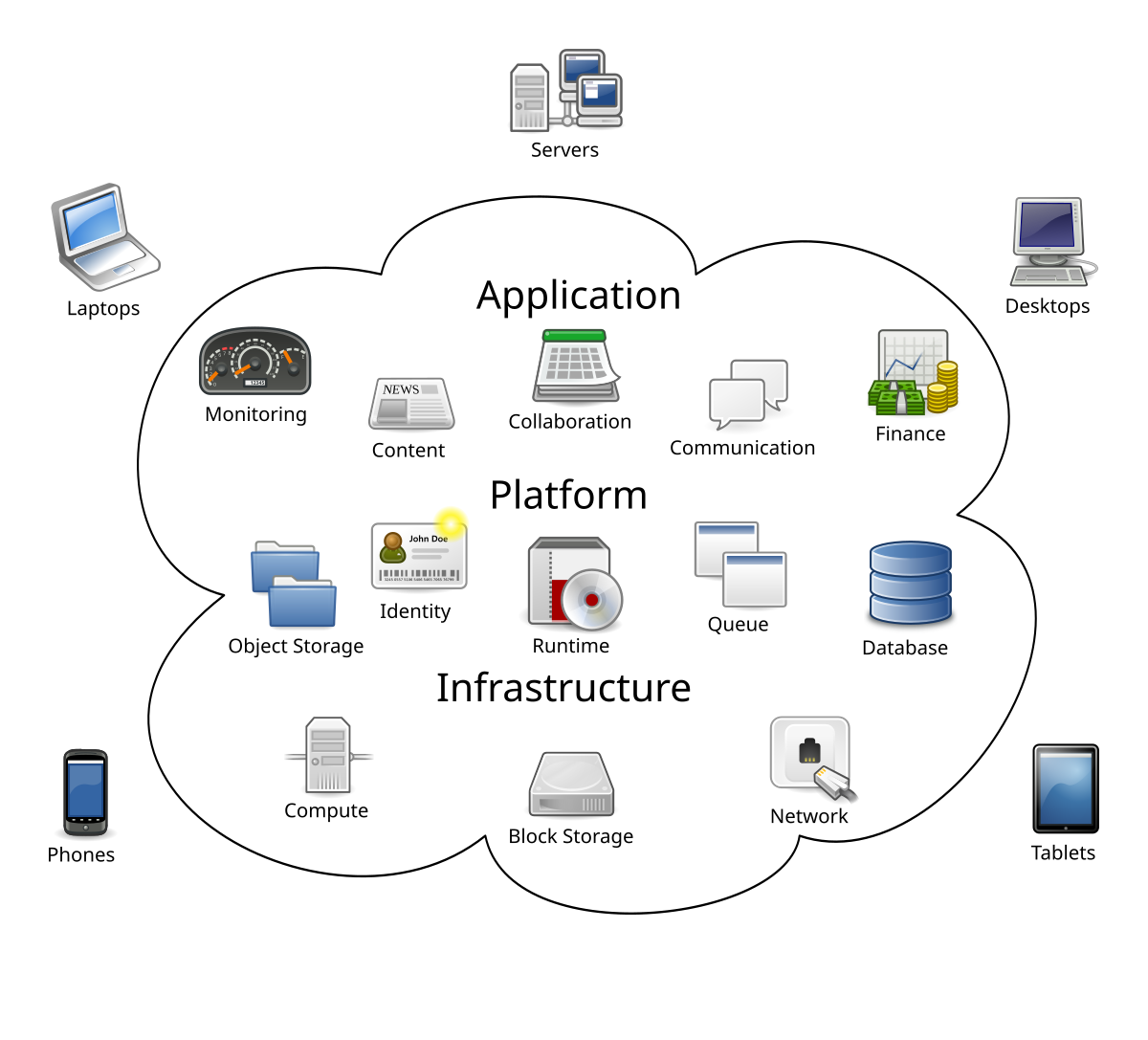
The Core Stack: Containers, Orchestration, and Infrastructure-as-Code
Kubernetes remains the undisputed king of container orchestration in 2026, but the tooling around it has matured dramatically. Enterprises are no longer just running Kubernetes — they're running it intelligently, with automated scaling, self-healing workloads, and policy-driven governance baked in from day one.
On the infrastructure side, Pulumi 5.0+ has emerged as a standout leader. According to recent LinkedIn research on DevOps tooling, Pulumi recorded an extraordinary 85% adoption growth between 2025 and 2026 — largely because it lets engineers write infrastructure definitions in real programming languages like Python, TypeScript, and Go, rather than wrestling with domain-specific configuration syntax. For enterprise teams already deep in polyglot codebases, this is a game-changer.
Serverless and Function-as-a-Service (FaaS) architectures are also accelerating. As highlighted in Wednesday.is's application modernization report, serverless is no longer just for lightweight tasks — enterprises are deploying entire event-driven microservice pipelines on FaaS platforms, slashing operational overhead while maintaining massive scale.
- Kubernetes — container orchestration standard, now with AI-assisted autoscaling
- Pulumi 5.0+ — infrastructure-as-code using real programming languages
- Serverless / FaaS — event-driven pipelines at enterprise scale
Observability, Security, and the AI-Native Layer
You can't manage what you can't see — and in 2026, enterprise observability has become a sophisticated discipline in its own right. The open-source Prometheus + Grafana + Loki + Tempo stack (with OpenTelemetry as the unifying instrumentation layer) has become the default for cloud native monitoring, according to a detailed DevOps tooling breakdown on Medium. For enterprises that need more, commercial APM platforms layer on top with advanced anomaly detection and distributed tracing across hybrid environments.
Security has evolved just as aggressively. Cloud Native Application Protection Platforms (CNAPPs) are now table stakes for enterprise deployments. Cycode's 2026 security report highlights solutions like Orca Security, which takes an agentless-first approach with CI/CD integration — meaning security is embedded into the development pipeline rather than bolted on at the end. This shift toward shift-left security is no longer optional at enterprise scale.
And then there's AI. The biggest structural shift in 2026 is the rise of AI-native development platforms. According to Intellectt's enterprise engineering analysis, platforms now offer AI-assisted coding, automated testing, predictive scaling, and AI-powered CI/CD pipelines as standard features — not premium add-ons. Major cloud providers are central to this shift: AWS, Microsoft Azure, Google Cloud, and IBM Watsonx are all competing aggressively on AI-native capabilities, each offering integrated environments where models, data pipelines, and application infrastructure coexist on a single platform.
- OpenTelemetry + Grafana stack — unified observability for cloud native environments
- Orca Security / CNAPPs — agentless, pipeline-integrated cloud security
- AWS, Azure, Google Cloud, IBM Watsonx — leading AI-native cloud platforms
What Enterprise Teams Should Prioritize Right Now
The sheer breadth of tooling available in 2026 is both an opportunity and a trap. Enterprise teams that thrive are the ones making deliberate choices rather than chasing every new release. Three priorities stand out:
First, standardize on an observability stack before complexity outpaces visibility. Second, embed security into CI/CD pipelines — reactive security in cloud native environments is effectively no security. Third, evaluate AI-native platform capabilities from your cloud provider of choice; the gap between teams leveraging AI-assisted development and those that aren't is widening every quarter.
Backup and disaster recovery also deserve attention. Purpose-built cloud native backup platforms like N2W are specifically designed for AWS and Azure workloads — a reminder that resilience engineering must keep pace with everything else.
Cloud native in 2026 isn't a single tool or a single decision — it's a continuously evolving architecture philosophy that now has AI at its core. The enterprises that treat their cloud native stack as a living system, rather than a solved problem, will be the ones that compound technical advantages year over year. The tooling has never been better. The question is whether your team is using it to its full potential.